
On this page8 sections
Painters price interior work by the square metre. The low end is one colour on walls in good condition. The high end is high ceilings, several colours or a lot of patching and sanding before the first coat goes on.
The table below gives the typical range for each room. Further down you will find whole-house prices, what changes the cost, and the questions to ask before you hire.
Cost to paint a room in 2026
| Room | Typical size | Cost to paint |
|---|---|---|
| Bedroom | 3 m × 3.6 m | $350 to $800 |
| Bathroom | 6.5 m² | $200 to $400 |
| Living room or hallway | 20 to 35 m² of wall | $1,000 to $2,200 |
| Kitchen (walls only, around cabinetry) | Varies | $800 to $1,200 |
| Any room, per square metre | $20 to $45 |
Prices vary by state and by the condition of the walls. Sydney and Canberra sit at the top of each range, Adelaide and Brisbane nearer the bottom.
Painters quoting single-room jobs through Service.com.au over the past year priced them at a median of $750, with most quotes between $500 and $1,100.
What each room costs and why
Bedroom. A standard 3 × 3.6 m bedroom is $350 to $800. The job uses about 10 litres of paint plus primer on any patched areas. Price moves with the paint you choose, how much wall there is once you take out the window and wardrobe, and whether you want a second colour on a feature wall. Painting the trims and door in a contrasting colour adds roughly $100 to $200.
Bathroom. Smaller, so cheaper: $200 to $400 for an average 6.5 m² bathroom. Bathrooms need a semi-gloss or gloss paint that stands up to steam and wipes clean, and those cost a few dollars more per tin than a matte finish. The extra holds up for years, so it is worth paying.
Living room or hallway. $1,000 to $2,200, driven by wall area. Living rooms have the most uninterrupted wall in the house, and hallways have a lot of edge work around doors. A feature wall or a high ceiling pushes the quote towards the top of the range.
Kitchen. $800 to $1,200. Cabinetry and splashback cover much of the wall, so a kitchen is often half the price of a room the same size. If you want the cabinets painted too, that is a separate job priced per linear metre, and most painters will quote it on its own.
What would your job cost?
Get real quotes from local painters
Describe the job in a sentence. We'll send it to verified painters near you.
Free · No obligation
Cost to paint a whole house interior
For more than one room, painters quote the job rather than the room. These are the prices painters quoted for whole-house interior jobs through Service.com.au in the 12 months to October 2026:
| Home | Typical quote | Most quotes fell between |
|---|---|---|
| Two-bedroom unit or house | $4,000 | $2,800 to $5,000 |
| Three-bedroom house | $5,500 | $4,000 to $7,000 |
| Four-bedroom house | $6,500 | $6,000 to $10,000 |
| Touch-ups and small repairs | $1,150 | $650 to $2,100 |
Even a small touch-up job rarely comes in under $600, because a painter still has to set up, prep and make two visits for the coats to dry.
Most painters will want to walk through the house before they quote a whole interior. A quote given over the phone from a bedroom count is a guess, and it will move once they see the walls.
What changes the cost of painting a room
A good painter builds the quote from the points below. If a quote is much cheaper than the others you have, check which of these it has left out.
Wall area. The biggest factor. Measure the length of each wall, multiply by the ceiling height, and take off doors, windows and built-in wardrobes. That is the area you are paying for.
Preparation. Cracks, nail holes, flaking paint, old wallpaper and mould all have to be dealt with before the first coat. Prep can be a third of the labour on an older room. New plasterboard is the cheapest surface to paint.
Ceiling height. Anything over 2.7 m means a plank or scaffold, extra time and sometimes a second painter. Stairwells and void ceilings cost more again.
Rather not lose the weekend?
Compare quotes from verified painters near you. Free, no obligation.
Number of colours. Every extra colour means extra cutting in and a separate tin. A feature wall adds $100 to $250 to a bedroom.
Paint quality. Premium paints cost $30 to $60 more per 10 litre tin than budget lines. They cover better, so the painter may use less, and they last longer between repaints. For a room you will live in for years, buy the better paint.
Decorative ceilings and cornices. Ornate plaster, ceiling roses and heritage cornices take brush work rather than a roller. Expect a higher per-metre rate on those rooms.
Access and furniture. Moving and covering furniture takes time. Clearing the room yourself before the painter arrives can take an hour or two off the bill.
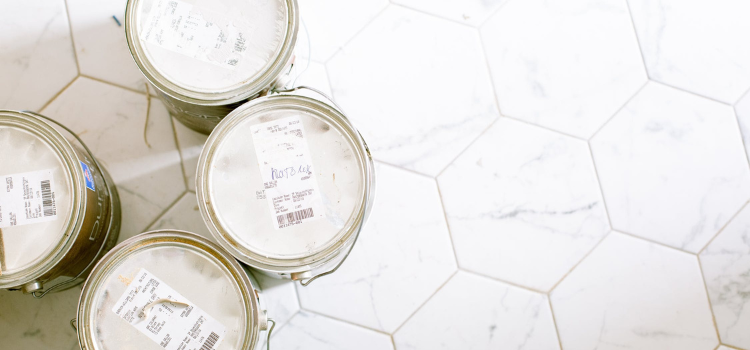
Painting supplies, if you do it yourself
A single bedroom is a fair weekend job for a DIYer. Budget around $150 to $250 for supplies on a first room, less once you own the gear.
- Paint, 10 litres: $80 to $180
- Primer or sealer, 4 litres: $30 to $60
- Brushes: $5 to $25 each
- Rollers and tray: $15 to $50
- Masking tape: $5 to $15
- Drop sheets: $10 to $40
- Filler, sandpaper and a scraper: $15 to $30
- Step ladder, if you do not have one: $50 to $150
A professional will do the same room in a day. A first-time DIYer should allow a weekend, with most of Saturday on prep.
What to ask an interior painter before you hire
- Is the quote per square metre or for the whole job?
- Does it include the ceiling, trims, doors and skirting?
- What prep is included, and what happens if you find damage behind the old paint?
- Which paint brand and line will you use, and how many coats?
- Do you have a licence, where one is required in my state?
- Are you insured for damage to my home?
- Can I see photos of recent interior work?
- Is the quote in writing, with a start date and how long the job will take?
Tip: The first question matters most. Two quotes that look $300 apart can be the same price once one includes ceilings and the other does not, so line them up on the same basis before you compare totals.