
On this page8 sections
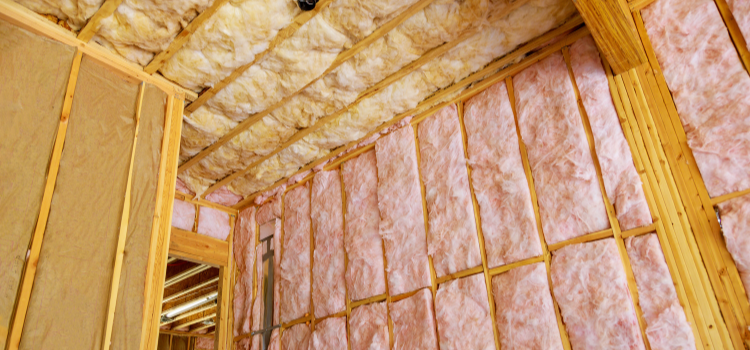
Where the insulation goes sets most of the price. An open ceiling space with good access is the cheapest job. Walls and underfloor cost more because the installer has to work in tighter spaces or open up the house.
Good insulation keeps heat out in summer and in during winter. That means less work for your air conditioner and heater. It is also one of the ways to add value to your home.
How much does it cost to insulate a house?
These approximate project allowances are a starting point, not prices for a defined house size:
- Ceiling insulation: $1,600 to $2,400
- Underfloor insulation: $2,800 to $3,500
- Wall insulation: $3,200 to $4,800
Treat these as a starting point. Your quote depends on the area to be covered, the product and R-value, and how hard the space is to work in. A written quote after the installer has looked in your roof or under your floor is the only figure worth budgeting on.
Ceiling and roof insulation
The ceiling is usually the easiest and cheapest place to start. Installers lay batts between the ceiling joists or blow loose-fill product across the ceiling. If your roof is being replaced, ask your roofer about a roof blanket or sarking at the same time, as it is much harder to add later.
Underfloor insulation
Underfloor insulation suits homes with a timber floor and a crawl space underneath. The installer fits batts or boards between the floor joists from below. Low clearance under the house slows the job and pushes the price up. Concrete slab floors are generally not insulated this way.
Wall insulation
Walls are cheapest to insulate while the frame is open, during a build or a renovation. In a finished house, the installer either removes wall linings, fits batts and patches the walls, or injects product into the wall cavity. If linings come off, budget for plastering and painting on top of the insulation.
Removing or topping up old insulation
Older batts settle, get damp or are pulled out of place by other trades. Sometimes new batts can go on top. Sometimes the old material has to come out first, which adds labour and disposal to the quote. Ask the installer to say which they recommend and why, and to price removal as a separate line.
What would your job cost?
Get real quotes from local insulation
Describe the job in a sentence. We'll send it to verified insulation near you.
Free · No obligation
Factors that may increase your insulation cost
- Area. The bigger the ceiling, floor or wall area, the more product and time the job takes.
- R-value. Product type and thermal performance affect the price. Compare the same specification, including thickness and any space limitations.
- Access. A low-pitched roof, a small manhole or tight clearance under the floor slows the installer down.
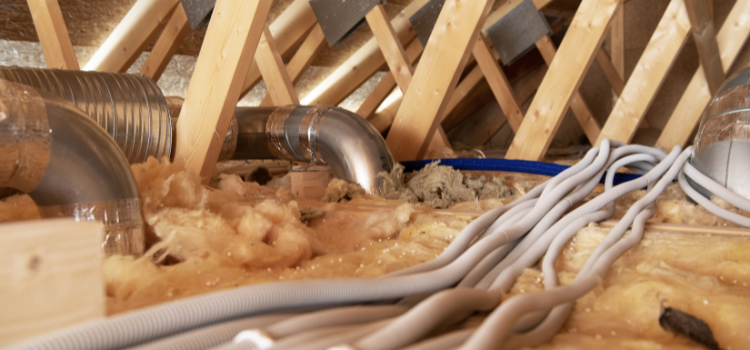
- Obstructions. Ducting, downlights, cabling and stored boxes all have to be worked around or moved.
- Joist spacing. Unusual spacing means batts have to be cut to fit.
- Old insulation. Removing and disposing of it adds to the bill.
Tip: Ask every installer to quote the same area, product type and R-value. Quotes for different R-values can't be compared on price alone.
Types of insulation
Insulation comes in two broad kinds. Bulk insulation, such as batts and loose-fill, traps air to slow heat moving through it. Reflective insulation, such as foil, bounces radiant heat away. Many homes use a mix.
Batt insulation
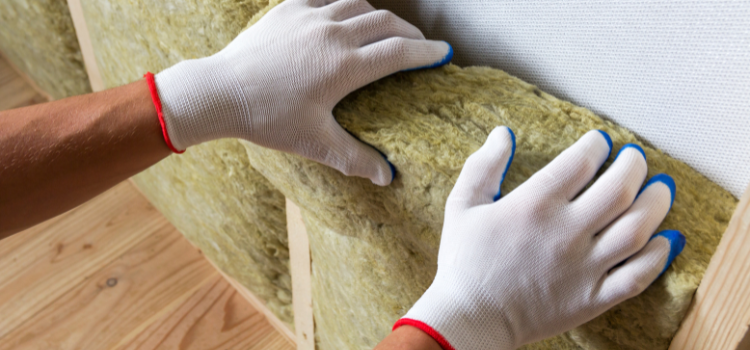
Batts are pre-cut insulation blankets, commonly made from glasswool, polyester or wool. Choose the product, thickness and R-value for the space and construction; one material may achieve the same thermal resistance at a different thickness from another.
Loose-fill insulation
Loose-fill is blown into the ceiling space with a machine. It fills awkward gaps around framing and suits roofs with poor access. It needs special equipment, so it is a job for an installer.
Reflective (foil) insulation
Reflective foil needs the correct position and air gap to work, and it conducts electricity. The Australian Government's insulation guide explains the installation and electrical risks. Ask a qualified installer whether it suits the building; do not lay conductive foil over wiring or fittings.
Spray foam insulation
Spray foam is sprayed onto surfaces and expands to fill gaps. It seals well, but it needs specialist equipment and training, and it is hard to remove later.
Insulation boards
Rigid boards are common under timber floors and on walls. Some have a foil face to add a reflective layer.
Choosing the right R-value
R-value describes resistance to heat flow. The appropriate total system R-value depends on climate, the roof or wall construction and the current requirements for your project. Ask the installer to explain the specified product and total system performance, and make sure competing quotes use equivalent specifications.
Rather not lose the weekend?
Compare quotes from verified insulation near you. Free, no obligation.
Safety in the roof space
Ask the installer how they will manage electrical isolation, hot fittings, access and suspect old materials. Queensland's roof-space safety guidance explains why turning off power and assessing remaining electrical hazards matter; a main switch does not remove every possible risk.
- Downlights and wiring: required clearances depend on the fitting rating and manufacturer instructions. Have unsuitable or damaged fittings assessed by an electrician.
- Asbestos: NSW guidance identifies loose-fill asbestos risk in some pre-1980 homes. If suspect material is present, keep out of the space and arrange qualified assessment before insulation work.
For possible assistance, use the government rebates and assistance finder and confirm eligibility with the scheme provider before committing.
Taking quotes and choosing a professional for insulation
Give every installer the area, locations and access details, and ask for an inspection before the final price. Check removal, disposal, electrical work, patching and painting separately so every quote covers the same job.
Questions worth asking:
- Will you inspect the roof space or subfloor before quoting?
- Which product and R-value are you quoting, and why?
- Does the price include removing old insulation?
- How will you work around downlights and wiring?
- Are you insured, and will you put the quote in writing?
Insulating a ceiling yourself can look like an easy saving. The wiring, downlight and asbestos risks above are why most people hire an installer.

Further reading
- How to properly insulate your home
- Underfloor heating installation guide
- Hot tips to keep your home cool this summer
Prices are a guide in Australian dollars and vary by location, home and product.