
On this page10 sections
- How much does a garden shed cost?
- What changes the price of a shed
- What type of garden shed is right for me?
- Building a shed vs buying a shed: which is the better choice?
- Do you need council approval for a shed?
- Hiring a shed installer
- Installing a shed yourself
- Why should you get a shed?
- Related cost guides
- FAQs
A shed gives you somewhere to put the mower and the overflow from a full garage, and with some fitting out it can become a workshop or a home office. The price comes down mostly to the material, the size and who puts it up.
How much does a garden shed cost?
These are typical prices for the shed itself, as a kit, before installation. Larger sheds sit at the top of each range and above it.
| Shed type | Kit price |
|---|---|
| Basic metal shed | $300 to $4,000+ |
| Plastic shed | $500 to $3,000+ |
| Wooden shed | $1,500 to $5,000+ |
| Zincalume shed | $2,000 to $6,000+ |
| Colorbond shed | $2,500 to $7,000+ |
Prices change with size, supplier and where you live, so treat them as a starting point and get quotes for your exact shed.
Shed installation cost
If the slab or base is already down, expect to pay about $1,200 to $2,500 for someone to put the shed up. If the job includes a new concrete slab or other foundation work, labour usually starts at $3,000, and the materials are extra.
Other costs to budget for
Concrete footings: about $400 to $1,900.
A concrete slab: about $70 to $100 per square metre.
Power, lighting or plumbing: allow $1,500 to $3,000 if you want an electrician or plumber to connect the shed.
Council fees and permits: these depend on your state, your council and the size of the shed (see the council approval section below).
Delivery: ask whether it's included in the kit price, especially if you're outside a metro area.
What changes the price of a shed
Two shed quotes can be far apart because they often cover different jobs. These are the things that move the price most:
Size and height. Every extra square metre adds steel or timber, and it adds slab. A bigger shed is also more likely to need council approval.
Material. Colorbond and Zincalume kits cost more than basic metal or plastic ones (see the table above).
The base. A shed on an existing slab is the cheapest install. A sloping block, a new slab or footings add both concrete and labour.
Wind rating. A shed for an exposed or high-wind site needs a stronger frame and fixings, which costs more.
Access. If the installer has to carry every panel down a narrow side path, the job takes longer.
Extras. Windows, roller doors, power, lighting, insulation and shelving all add to the bill.
To estimate your own total, add the kit price for the size you want, the base (slab or footings), installation, any power or plumbing, and council fees if your shed needs approval.
What type of garden shed is right for me?
The main choice is the material. Each one suits a different budget, look and job.
Plastic garden sheds
Plastic sheds are made from PVC or high-density polyethylene (HDPE). They're cheap, quick to put together and won't rust or rot, which makes them a good fit for a small bin or tool store. They're less secure than metal, and strong sun and heat break them down faster, so they don't last as long as a metal shed.
What would your job cost?
Get real quotes from local garden sheds
Describe the job in a sentence. We'll send it to verified garden sheds near you.
Free · No obligation
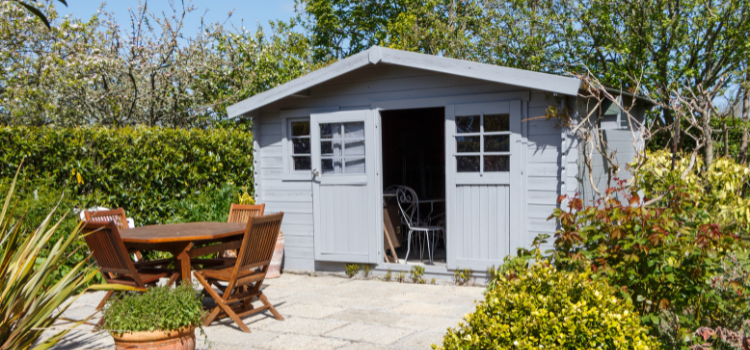
Wooden garden sheds
Timber suits a garden setting and is easy to fit out with shelves and hooks, which is why people choose it for a studio or a home office. It does need regular staining or painting to stand up to the weather. Ask about termite protection, and if you live in a bushfire area, check with your council before you choose a timber shed.
Metal garden sheds
A basic metal shed is the budget choice for secure storage of tools and equipment. It won't rot, needs little maintenance and can be taken apart if you move. Cheaper kits use thinner steel, so they can feel flimsy and may rust in coastal or damp spots. Assembly can also be fiddly.
Zincalume garden sheds
Zincalume is steel coated with a zinc and aluminium alloy, which gives it better corrosion resistance than plain galvanised steel. It usually costs less than Colorbond. The finish is a plain metallic silver that dulls over time, and there are no colour options.
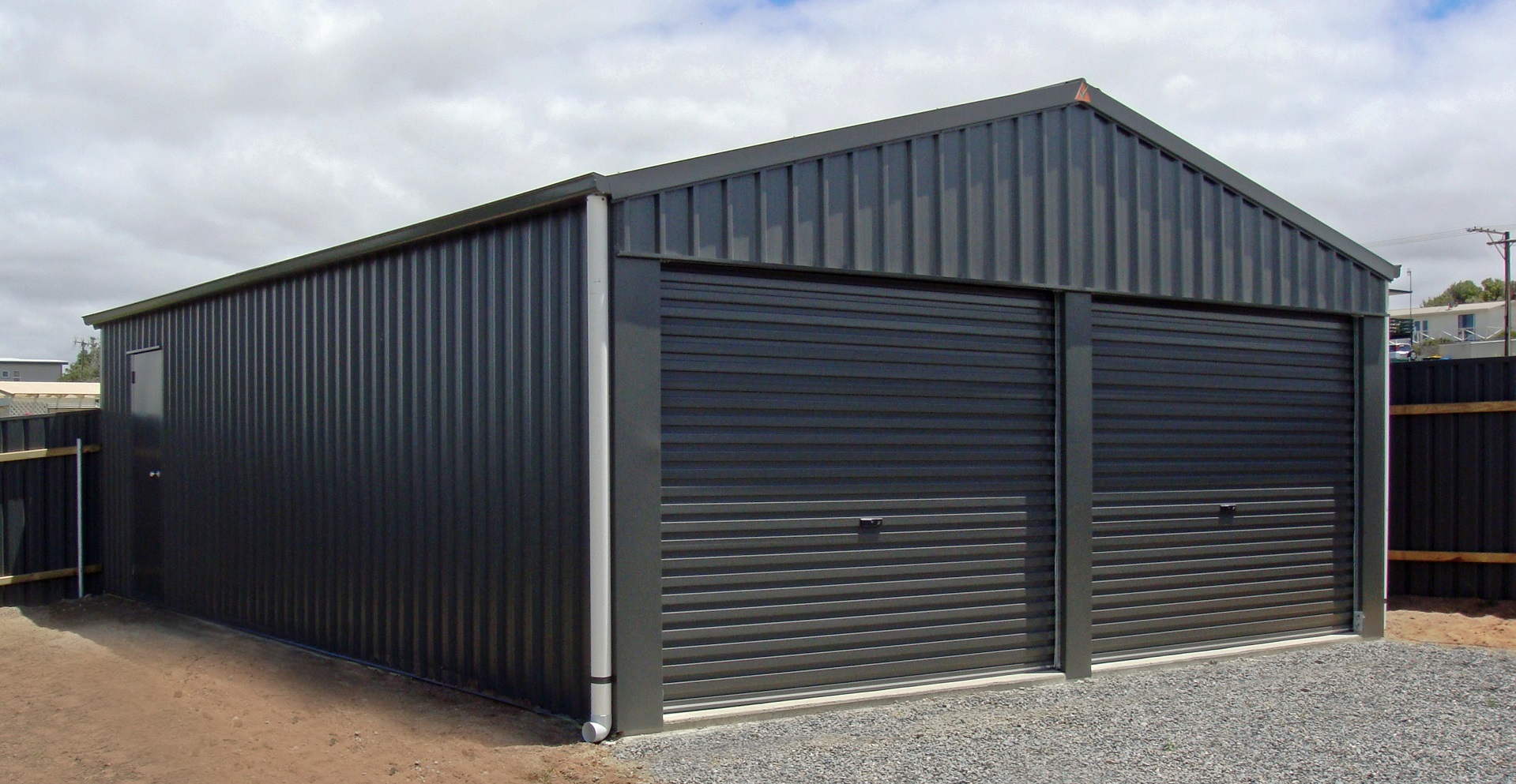
Colorbond sheds
Colorbond is pre-painted steel, so you can match the shed to your roof, fence or house. It's low maintenance and holds its colour well. It's also the most expensive of the five. A deep scratch exposes the steel underneath, so touch up any damage quickly to keep the corrosion protection working.
Building a shed vs buying a shed: which is the better choice?
For most people, buying a kit is cheaper and quicker. A kit costs about $500 to $7,000 or more, comes with every part you need and usually has a warranty. Assembly is far simpler than building from scratch, so you'll pay less for labour if you hire someone. The trade-off is that you choose from the sizes and layouts on offer.
Building a basic shed from scratch costs about $2,000 to $5,000 for materials and tools. You can design it to fit an awkward corner or a particular use. It takes much longer, though, and the cost climbs if you need to buy tools or pay someone to build it.
Do you need council approval for a shed?
Small garden sheds often don't need a building permit, but the limits are set by each state, and councils can add their own rules. Check with your council before you order a kit. A few examples:
Victoria: a shed of 10 square metres or less can go up without a building permit if it also meets height, boundary and siting conditions.
Queensland: a small shed of up to 10 square metres, within height and length limits, generally doesn't need building approval outside tropical cyclone areas.
New South Wales: a garden shed can be exempt development if it meets the size, height and setback standards in the state's exempt development rules.
Heritage areas, bushfire-prone land and sheds close to a boundary often have extra rules. If your shed is bigger than the limit, you'll need approval before it goes up, so allow time and fees for that in your plans.
Rather not lose the weekend?
Compare quotes from verified garden sheds near you. Free, no obligation.
Hiring a shed installer
You can find shed installers on Service.com.au under garage and shed builders, builders or handymen. If you need a slab first, concreters can quote for that. Get a few quotes for the same shed and the same scope so you can compare them line by line.
Questions to ask each installer:
What does the quote include: slab, delivery, assembly, removal of packaging, council paperwork?
What wind rating is the shed engineered for, and does it suit my site?
Do you hold the licence and insurance this job needs in my state?
How long will the job take?
Can I see photos of similar sheds you've put up?
Tip: Ask every installer to quote the same shed size and the same base. A quote that leaves out the slab or delivery can look cheaper than one that includes them.
Installing a shed yourself
Small plastic, wooden and metal sheds often come as kits designed for DIY assembly, and putting one up yourself saves the labour cost. Larger sheds are harder: the panels are heavy, the frame has to be square, and the shed has to be properly anchored to the slab or footings so it stays put in strong wind.
If you haven't done much DIY or don't own the tools, a professional will usually get it done faster and with fewer mistakes, which can cost less in the end.
Why should you get a shed?
Most people buy a shed for storage. With some fitting out, it can also be:
a home office or artist's studio
a home gym
a workshop
a play space for the kids
If you want to use it as a bedroom or guest room, talk to your council first: a shed approved as storage usually can't be lived in.
Related cost guides
Prices on this page are a guide in Australian dollars. They vary by location, supplier and the market, so check them against quotes for your own job.